
“Family owned and operated since 1972”
SERVING THE DFW METROPLEX
Sala Air Conditioning has been serving the DFW area since 1972, providing commercial and residential heating and air
conditioning. (Parts, Sales, Service, Installations, and Repairs)
 What is a Furnace?
Home | Products | Services | Coupons | Contracting | Contact | Employment | About Us | Sitemap
What is a Furnace?
Home | Products | Services | Coupons | Contracting | Contact | Employment | About Us | Sitemap

 For more information on these specific
types of furnaces, see these sections:
* Gas Furnaces
* Electric Furnaces
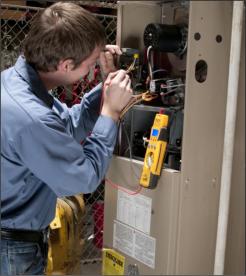
Sala Air Service Tech working on Furnace
For more information on these specific
types of furnaces, see these sections:
* Gas Furnaces
* Electric Furnaces
Sala Air Service Tech working on Furnace
 214-742-7252
CALL TODAY!
Learn
214-742-7252
CALL TODAY!
Learn


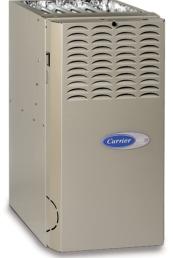
 Furnances heat up the air in your home by pulling air across
electric heat strips or gas heated air to warm your home during
the cold winter months. There are some components that we
recommend being checked out in order to assure safety of your
gas furnace:
•
Check the integrity of the heat exchanger for any cracks
•
Check all safeties to make sure they are working properly
•
Clean any dirt and debris from the blower motor
•
Ensure that the flue pipe is working properly
Service Areas: Dallas, Duncanville, DeSoto, Cedar Hill, Lancaster, Highland Park, Grand Prairie, Irving, Addison, Garland,
Coppell, Southlake, Grapevine, Sunnyvale, Farmers Branch, Oak Lawn, Oak Cliff, Arlington, and Far North Dallas.
Furnances heat up the air in your home by pulling air across
electric heat strips or gas heated air to warm your home during
the cold winter months. There are some components that we
recommend being checked out in order to assure safety of your
gas furnace:
•
Check the integrity of the heat exchanger for any cracks
•
Check all safeties to make sure they are working properly
•
Clean any dirt and debris from the blower motor
•
Ensure that the flue pipe is working properly
Service Areas: Dallas, Duncanville, DeSoto, Cedar Hill, Lancaster, Highland Park, Grand Prairie, Irving, Addison, Garland,
Coppell, Southlake, Grapevine, Sunnyvale, Farmers Branch, Oak Lawn, Oak Cliff, Arlington, and Far North Dallas.


What is a Furnace?
Home | Products | Services | Coupons | Contracting | Contact | Employment | About Us | Sitemap
For more information on these specific
types of furnaces, see these sections:
* Gas Furnaces
* Electric Furnaces
Sala Air Service Tech working on Furnace
214-742-7252
CALL TODAY!
Learn
Furnances heat up the air in your home by pulling air across
electric heat strips or gas heated air to warm your home during
the cold winter months. There are some components that we
recommend being checked out in order to assure safety of your
gas furnace:
•
Check the integrity of the heat exchanger for any cracks
•
Check all safeties to make sure they are working properly
•
Clean any dirt and debris from the blower motor
•
Ensure that the flue pipe is working properly
Service Areas: Dallas, Duncanville, DeSoto, Cedar Hill, Lancaster, Highland Park, Grand Prairie, Irving, Addison, Garland,
Coppell, Southlake, Grapevine, Sunnyvale, Farmers Branch, Oak Lawn, Oak Cliff, Arlington, and Far North Dallas.